


Food & Agriculture Inspection in China
The paperwork is perfect and the pallet is not. We check cold-chain records, seals, date coding and counts against what you actually bought.
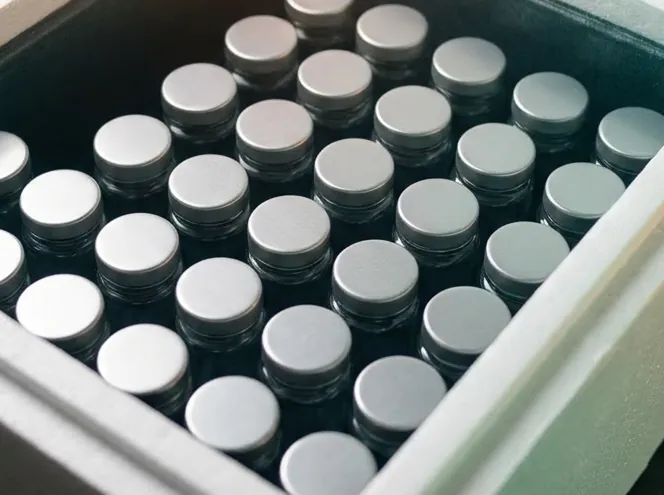
A supplement importer's factory cold storage failed overnight. A lot of probiotics was exposed to temperatures well above labeled storage overnight. The factory planned to re-package and ship anyway. Our inspection data proved the cold chain break. Shipment rejected.

Founder
TruMark QC
24h
Report
38
Cities
65
Checkpoints
2.2
Avg defect types
What We Inspect
Products We Cover
Most Common Defects We Find
Where food orders actually fail.
Our Protocol
Inspection Checklist
Every checkpoint run, findings photographed.
Packaging seal integrity testing
Label compliance (allergens, nutrition, expiry)
Temperature monitoring and cold chain verification
Metal detection / X-ray screening verification
Net weight/volume verification
Batch coding and traceability audit
Storage conditions assessment
Organoleptic evaluation (color, odor, texture)
Pest control program verification
HACCP documentation review
Selling into the EU? PFAS limits on food-contact packaging apply from 12 August 2026 under Regulation (EU) 2025/40. See the PPWR packaging check.
Quality Standards
Recommended AQL Levels
N/A
Zero tolerance
Safety & function failures
N/A
Significant defects
Affects product usability
N/A
Cosmetic issues
Visible but non-critical
Critical control points are verified on every lot, not sampled.
Certifications
Certifications & Standards
FDA 21 CFR 117
Food safety
USDA Organic
Organic certification
EU 1169/2011
Food labelling
HACCP / ISO 22000
Food safety management
BRC Food
Global food safety
Coverage
Where We Inspect
Shanghai
38 inspectorsQingdao
10 inspectorsGuangzhou
32 inspectorsXiamen
8 inspectorsProbiotic Lot Saved
Independent temperature data loggers detected a cold chain break to 20°C (limit: 8°C) that the factory's own system missed. Lab testing confirmed probiotic potency dropped well below labeled levels. Entire lot quarantined, preventing a Health Canada recall.
Whole lot saved | Recall prevented
FAQ
Frequently Asked Questions
Yes. For organic products we verify USDA Organic / EU Organic certification documents against the physical shipment, check that segregation from conventional product is maintained, and confirm packaging, labeling and lot codes match the certified batch. We can also coordinate residue and GMO testing through accredited partner labs when required.
We deploy independent temperature data loggers alongside the factory's own system and review the full time-temperature history, not just the current reading. Any excursion above the labeled storage limit is documented with hard evidence, so a cold-chain break can be proven even when the factory's monitoring missed it.
Every label is checked against the destination market's requirements — declared allergens, nutrition panel, ingredient list, net weight, expiry/best-before dates and country-of-origin. We flag missing or incorrect allergen declarations as critical defects, since mislabeling is one of the leading causes of food recalls.
Yes. When your protocol calls for it, our inspectors collect representative samples on-site following proper chain-of-custody, seal them, and ship them to CNAS / ISO 17025-accredited labs for microbiological, chemical residue, heavy-metal or potency testing. Results are attached to your inspection report.
Protect Your Food Orders
Free quote within 2 business hours. Inspector on site in 24 hours.
Download sample report
First-time importer?See our starter guide
SERVICES
Pre-Shipment InspectionDuring ProductionPre-ProductionFactory AuditLab TestingSupplier VerificationContainer LoadingSocial ComplianceProduction MonitoringDefect SortingSample TestingFirst Article InspectionINDUSTRIES
ElectronicsTextiles & GarmentsFurniture & HomeToys & Children'sAutomotiveMedical DevicesFood & AgricultureBuilding MaterialsCosmeticsPromotionalSports & OutdoorsBags, Luggage & CasesHome & KitchenLightingHardware & ToolsCOMPANY
About UsOur StoryOur TeamCertificationsPartnersCase StudiesTestimonialsCareersPress & MediaOur GuaranteeWhen We're the Wrong ChoicePartner With UsRefer & SaveShare Your StoryTruMark vs SGSTruMark vs QIMAEnterprise ProcurementRESOURCES
BlogAQL CalculatorSample ReportsQC ChecklistsGlossaryFAQService FinderBusiness Case ToolAmazon FBA InspectionFirst-Time ImportersInspection Tool StorePPWR Packaging CheckHow We InspectQuality FadePassed But DefectiveDispute EvidenceWho Pays UsFirst Order From ChinaShipping DeadlinesGolden Week 2026Spring Festival 2027Retailer Requires a ReportCPSC eFilingEUDR Timber CheckShipping to North AmericaShipping to the EU & UKShipping to ANZ & the GulfStay informed on QC insights
Weekly tips on inspections, supplier management, and importing from China.

 ISO 17020 methodology
 CNAS-accredited partner labs
 Money-back commitment
© 2026 Huizhou Bolang Technology Co., Ltd. All rights reserved.
TruMark QC is a brand of Huizhou Bolang Technology Co., Ltd. (USCC 91441381MACXR9203L), Room 05-06, 9/F, Zhongrun Da Building, No. 8 Science and Technology Road, West District, Daya Bay, Huiyang District, Huizhou, Guangdong 516083, China.