


Automotive Parts Inspection in China
The part matches the catalogue number and still does not fit the car. We measure the critical dimensions on your drawing, to IATF 16949 methodology.
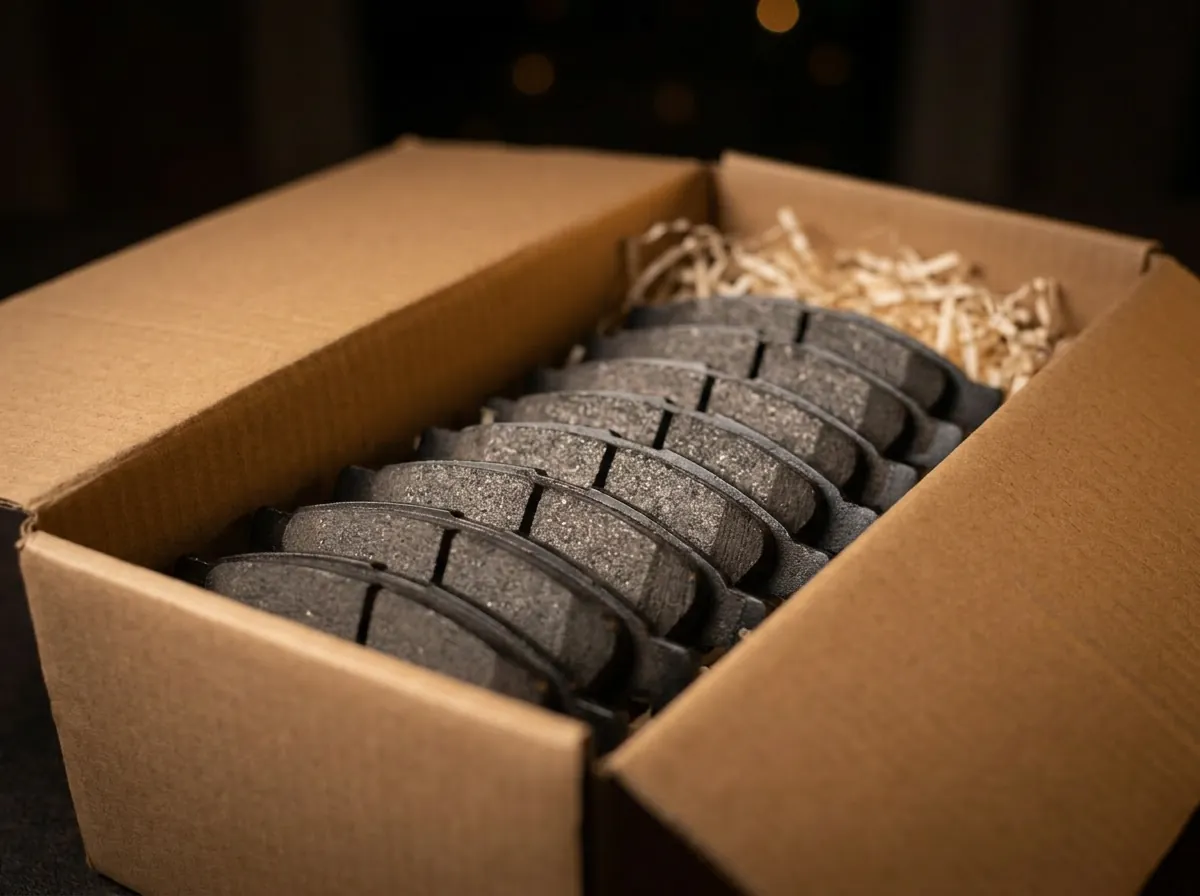
Replacement brake pads from a Chinese supplier were thinner than specification. They met visual inspection but failed thermal stress testing — wearing through faster. Our dimensional inspection caught it on the first article. Without it, the whole lot would have entered the aftermarket.

Founder
TruMark QC
1.0
Major AQL
2.5
Minor AQL
76
Checkpoints
2.4
Avg defect types
What We Inspect
Products We Cover
Most Common Defects We Find
Where parts orders actually fail.
Our Protocol
Inspection Checklist
Every checkpoint run, findings photographed.
Dimensional measurement (CMM, calipers)
Salt spray corrosion testing (sample)
Material composition verification (XRF)
Thread gauge verification (go/no-go)
Hardness testing (Rockwell/Brinell)
Traceability documentation audit
Surface treatment adhesion cross-cut test
PPAP documentation verification
Functional performance under rated load
Visual inspection for casting/forging defects
Quality Standards
Recommended AQL Levels
0
Zero tolerance
Safety & function failures
1.0
Significant defects
Function or fit impact
2.5
Cosmetic issues
Appearance only
Brake, steering and suspension parts: inspected 100%, not sampled.
Certifications
Certifications & Standards
FMVSS
Federal motor vehicle safety
PPAP
Production part approval
ECE R
Vehicle regulations
VDA 6.3
Automotive audit
IATF 16949
Automotive QMS
Coverage
Where We Inspect
Ningbo
18 inspectorsShanghai
38 inspectorsGuangzhou
32 inspectorsDongguan
22 inspectorsUnsafe Brake Pads Stopped
A First Article Inspection caught a thickness variance outside the specified tolerance in a lot of replacement brake pads after the factory switched friction material suppliers. Thermal stress testing confirmed pads would wear through faster. The liability averted was substantial.
Whole lot prevented | Zero recalls
FAQ
Frequently Asked Questions
Yes. Brake, steering and suspension parts are treated as zero-tolerance safety components. We apply 100% inspection (not sampling) to these, verifying critical dimensions, material composition and functional performance under rated load, all traced to IATF 16949 and FMVSS requirements.
We verify alloy grade and composition on-site using portable XRF analyzers and confirm hardness with Rockwell/Brinell testing. This catches wrong-alloy substitutions and heat-treatment shortfalls — a recurring share of the automotive defects we find — before parts ship.
Yes. We audit and compile PPAP submissions including dimensional results, material and performance test records, process flow, control plans and PSW. Our reports plug directly into your supplier approval workflow and support IATF 16949 and VDA 6.3 audits.
Our automotive inspectors are based in Ningbo, Shanghai, Guangzhou and Dongguan — the core of China's auto-parts manufacturing belt — with 110+ trained inspectors on-call. Most factories are reachable within 24 hours of booking.
Protect Your Automotive Parts Orders
Free quote within 2 business hours. Inspector on site in 24 hours.
Download sample report
First-time importer?See our starter guide
SERVICES
Pre-Shipment InspectionDuring ProductionPre-ProductionFactory AuditLab TestingSupplier VerificationContainer LoadingSocial ComplianceProduction MonitoringDefect SortingSample TestingFirst Article InspectionINDUSTRIES
ElectronicsTextiles & GarmentsFurniture & HomeToys & Children'sAutomotiveMedical DevicesFood & AgricultureBuilding MaterialsCosmeticsPromotionalSports & OutdoorsBags, Luggage & CasesHome & KitchenLightingHardware & ToolsCOMPANY
About UsOur StoryOur TeamCertificationsPartnersCase StudiesTestimonialsCareersPress & MediaOur GuaranteeWhen We're the Wrong ChoicePartner With UsRefer & SaveShare Your StoryTruMark vs SGSTruMark vs QIMAEnterprise ProcurementRESOURCES
BlogAQL CalculatorSample ReportsQC ChecklistsGlossaryFAQService FinderBusiness Case ToolAmazon FBA InspectionFirst-Time ImportersInspection Tool StorePPWR Packaging CheckHow We InspectQuality FadePassed But DefectiveDispute EvidenceWho Pays UsFirst Order From ChinaShipping DeadlinesGolden Week 2026Spring Festival 2027Retailer Requires a ReportCPSC eFilingEUDR Timber CheckShipping to North AmericaShipping to the EU & UKShipping to ANZ & the GulfStay informed on QC insights
Weekly tips on inspections, supplier management, and importing from China.

 ISO 17020 methodology
 CNAS-accredited partner labs
 Money-back commitment
© 2026 Huizhou Bolang Technology Co., Ltd. All rights reserved.
TruMark QC is a brand of Huizhou Bolang Technology Co., Ltd. (USCC 91441381MACXR9203L), Room 05-06, 9/F, Zhongrun Da Building, No. 8 Science and Technology Road, West District, Daya Bay, Huiyang District, Huizhou, Guangdong 516083, China.